Recent federal legislation and summaries.
Cuts the lowest income tax rate and adds a GST/HST rebate for first-time new home buyers. Ends the federal fuel charge and sets privacy rules for political parties.
Tighter border checks, new drug and money laundering rules, and faster asylum decisions. Government can pause immigration streams; the Coast Guard moves to Defence.
Creates a federal medal for living organ donors. Eligible citizens and permanent residents who donated in Canada can be honoured at public ceremonies; nomination rules will be set later.
Canada will cut many tariffs on UK goods. Some dairy, poultry, and eggs stay protected. Changes start when the trade deal takes effect.
Creates a national plan to improve diagnosis, care, and research for sickle cell disease. Aims for newborn screening, clear standards, and possible financial help for patients and caregivers.
The federal minister must lead and coordinate work to prevent partner violence. They must meet with provinces, Indigenous partners, and others, and publish progress reports every two years.
Canada creates a new Indonesia Tariff and cuts many import taxes to zero over time. Safeguards can add temporary taxes if rising imports hurt Canadian producers.
Adds $10.85B so federal services keep running. Supports health, Indigenous programs, immigration, travel security, and defence, with no new taxes or benefit rules.
Latest provincial bills from Queen's Park.
Names the first full week of October Ontario University Athletics Week. It’s symbolic only; no holiday, mandates, or funding; schools and communities may hold optional events.
It creates urban parks near cities and adventure parks for activities like climbing and ATVs. Rules, locations, and fees will be set later.
MPPs can perform civil weddings if they give notice to the minister. Couples still need a marriage licence; other rules stay the same.
September would be Ethiopian Heritage Month in Ontario. It honors Ethiopian Canadians and may lead to optional school and community events, with no new programs, holidays, or costs.
Large users like data centres face new connection rules. Some grid costs may move from electricity bills to taxes, which could lower rates but shift costs to taxpayers.
Garbage pickup and many roads will be run by your city, not Peel Region. Contracts and staff move, and the Province can set rules to guide the change.
Sets rules for rewards points, posts long term care reports, moves municipal notices online, allows alcohol in signed park areas, and changes forest permits with Indigenous and environmental checks.
Every October would promote kids' online safety and privacy. No new rules, just awareness campaigns for parents, schools, and communities.

Latest provincial bills from Quebec City.
You would cast two votes: one for a local member and one for a regional party list. Results would better match total votes, with added regional seats.
Students and staff must keep faces uncovered, with few exceptions. Most staff can’t wear religious symbols, schools bar group prayers, more French is required, and teachers face regular reviews.
Quebec will offer a voluntary digital ID to access government services. It sets strict data rules and strengthens cybersecurity, while testing online court tools.
New Quebec law changes many taxes and credits. It adds foreign-asset reporting, limits unregistered short-term rental write-offs, removes QST from therapy, and lowers many public drug plan premiums.
Quebec sets one fair process to hire, pay, and renew tribunal decision-makers. It aims to cut political pressure and raise standards across housing, labor, and other boards.
Quebec will test drinking water, sewage sludge, and liquid draining from landfills for PFAS. It will set limits, require regular tests, and enforce cleanup when levels are high.
Birth control would be free for people in Quebec through the public plan. Minors could get it without parents, and schools must offer free condoms.
Workers could do up to 40% of hours from home if the job allows. Employers must share costs, can't use spyware, and disputes can go to the labor tribunal.
Recent provincial bills from Victoria.
If you sue or settle, a set amount for public care may go to the government. Insurers and people who are sued must give notice, share records, and help.
The law tweaks pensions, adds a civilian deputy to the police watchdog, protects first-home savings, and sets clear papers for land transfers after a death.
Novice drivers may move up faster after approved training. Motorcyclists need more gear, and distracted driving rules tighten; your driving history from other places may also count.
Lets a tribunal and court quickly stop sharing intimate images without consent and award damages. Streamlines steps, protects privacy, and lets the ministry gather info to help victims.
Colleges and universities must post, review, and report on sexual violence policies. Students get training and a voice; complainants may learn steps and outcomes.
Public school boards can run licensed child care on school grounds. Families may see more nearby options and simpler drop-offs; fees and hours vary by district.
School boards can more easily get land for schools and housing, with oversight. Some meetings may be closed to protect privacy and Indigenous talks.
Workers can take up to 27 weeks off for a serious illness or injury without losing their job. The leave is unpaid and needs a medical note.
Recent provincial bills from the Legislative Assembly.
Alberta won't apply parts of international deals in provincial areas unless the Legislature passes a law. Businesses and public bodies may see delays before new rules take effect.
All K–3 students will take short reading and math checks. Parents get results, and schools must send data to the province for a yearly report.
MLAs and senior staff face stricter conflict and gift rules. Gifts from lobbyists are banned and gifts over $100 must be reported.
Speeds decisions, allows some moves between rivers, and makes water deal prices public. Water users get reuse options and stricter monitoring; some rain capture systems may now need approval.
Private career colleges must register and meet set standards. A new fund helps students get refunds, and the government can publish school information.
The province can rate violence risk and share information to prevent harm. It aligns labour rules for a police agency, permits inmate transfers, and lets permanent residents become officers.
Minimum wage hits $18 by 2027, then rises with inflation. Tips belong to workers. No lower pay for youth or students.
Schools reopen and strikes are banned for four years. Teachers get steady raises and more staff are hired, especially in northern areas.
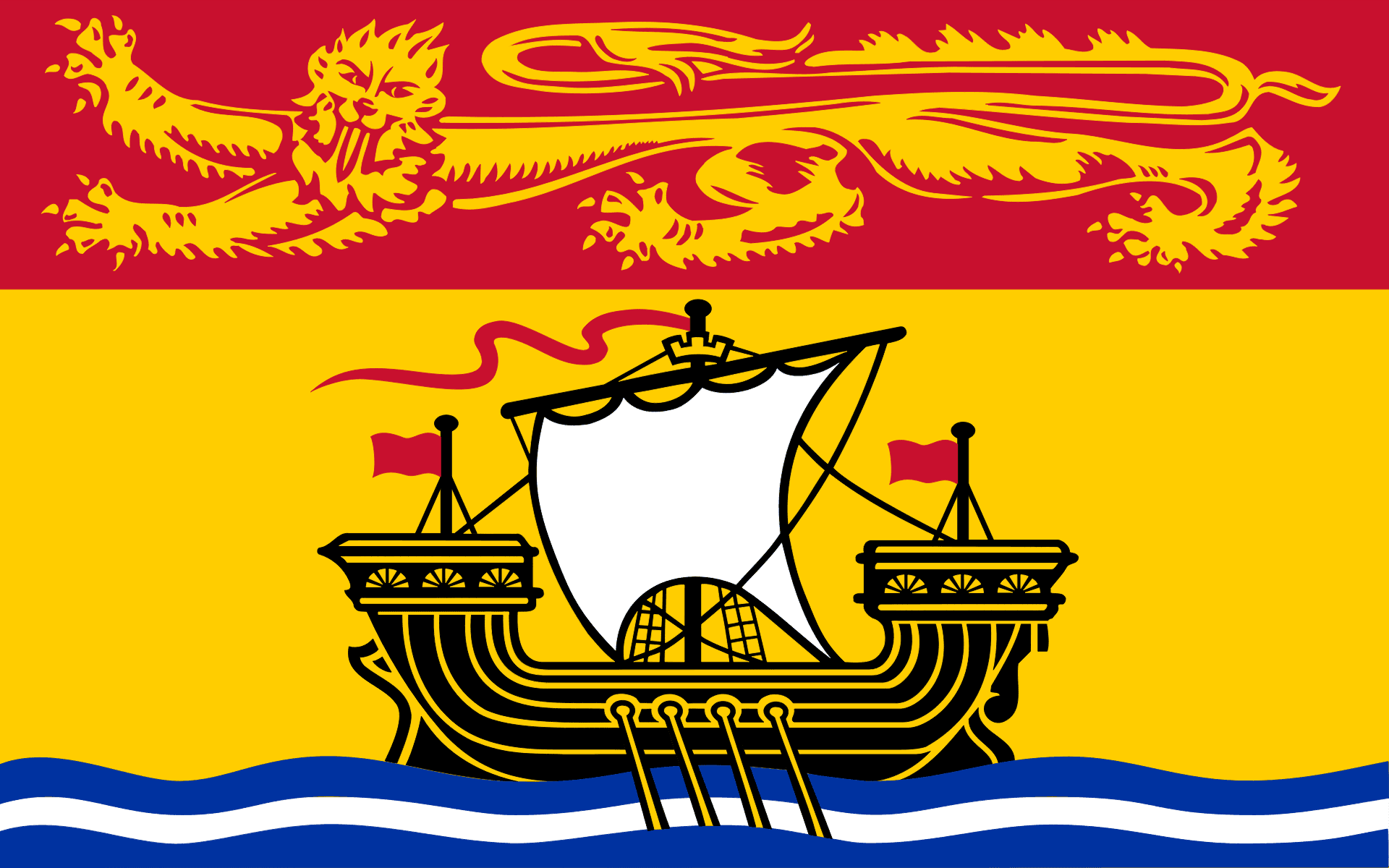
Recent provincial bills from Fredericton.
Sets fixed terms for the top public health doctor, adds a deputy, and requires an annual report. Clear written directions and acting appointments aim to improve accountability during emergencies.
Investors get a faster dispute service with awards up to $350,000. The bill tightens promotion rules, raises fines, and protects people who report wrongdoing to stop scams.
Beekeepers can appeal to an independent board, not the Minister. Orders stay in force during appeals to protect bee health.
It updates the University of New Brunswick law with modern titles and clearer roles. Librarians and contract instructors gain seats and voting rights, and a Libraries Council is created.
Child care licences can last up to three years, and a new portal replaces the registry. The Minister may approve pilot projects; terms are clearer, with no price changes now.
More people can receive the top provincial honour each year. Council members serve until replaced and can be removed only for cause.
911 calls will be handled more smoothly and securely. Agencies must meet new standards, share needed info to respond, report outages, and face penalties for misuse.


